
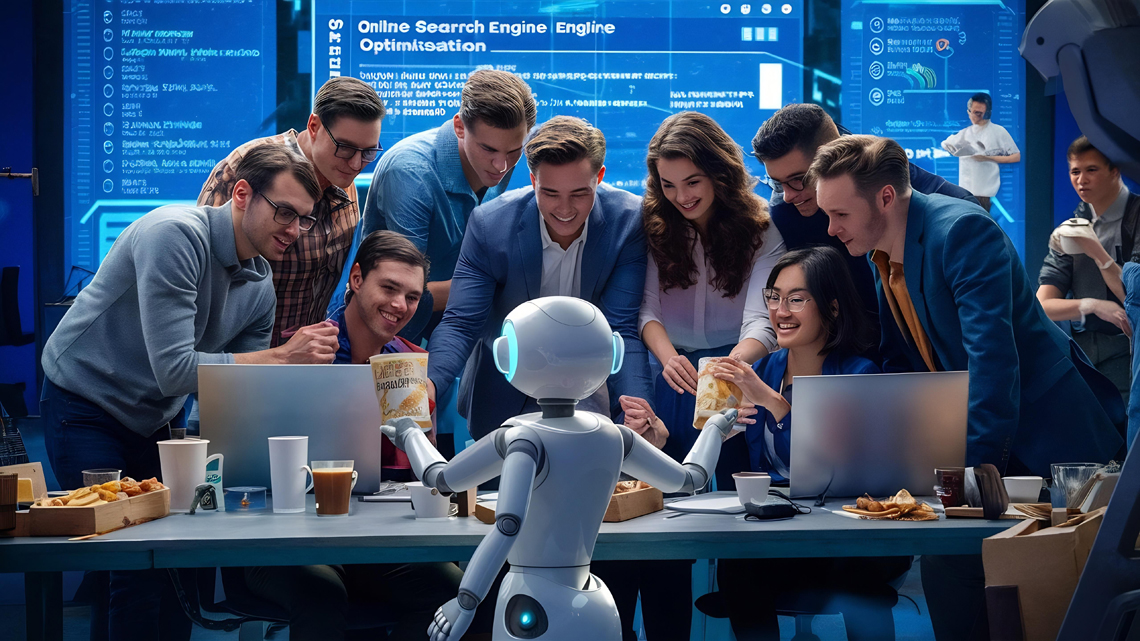
Marketing has transitioned from an era of generic outreach and campaign driven impact to highly personalized approach that resonates relevance, expectations and requirement throughout touchpoints. The introduction of AI agents in marketing has redefined the way marketing teams manage complexity, drive engagement and assist for influencing purchase decisions. Beyond the objective of a conversational assistant, AI agents evolved as intelligent collaborators by personalizing interactions, continuously adapting and adjusting execution strategies across channels. This shift will equip companies with streamlining scalable and support focused customer experiences that translates into long term revenue growth and loyalty.
What are AI Agents?
AI Agents are software systems that reason, adapt and execute tasks autonomously within established parameters. As opposed to traditional automation, AI agents operate with contextual awareness, helping marketing teams to exclusively personalize initiatives based on customer signal and behavioral data. AI agents offer content relevance, real time adaptability, strategic decision making, enhancing overall marketing effectiveness over time.
In 2026 and beyond, content volume or generic outreach are insufficient to power success. Integrating AI agents in marketing help for strategic campaign management, enables messaging based on environmental context, enhanced targeting, leading to improved customer journey.
As marketers need to compete across multiple platforms in today’s rapidly changing market conditions, manual coordination and decision making cannot anticipate the struggle of scaling amid the complexity. AI-human combined execution support to overcome hurdles of fragmented data signals by enabling agentic optimization, improving strategies according to real time data.
In an ever evolving landscape where customers perceive personalized approaches from brands, and pressure for demonstrating measurable revenue impact, AI agents are the currency to cultivate independent and result oriented initiatives.
Key AI Agent Types for 2026 Marketing Teams
- Autonomous Campaign Managers
Autonomous campaign manager agents are designed to independently plan, allocate resources and execute ad campaigns with minimal human intervention. They continuously adjust budgets, evaluate creatives and impact of targeting according to real time performance data curated from diverse platforms.
By 2026, Agentic AI for autonomous campaign management will allow marketing teams to optimize execution while maintaining the strategic direction.
- Conversational Engagement Agents
AI agents designed for conversational purposes have evolved beyond a Chat assistant to Digital twins. It directs real time personalized interactions by means of previous responses and data analysis, managing complex customer issues and streamlining impactful customer journeys.
AI agents in marketing evokes organic engagements, as they provide empathy driven, contextual and personalized responses across platforms. This ultimately contributes to enhancing sales potential—lead qualification, customer support assistance, recommendations in real time.
- Content Generation & Repurposing Agents
Unlike the conventional model of publishing generic content throughout platforms, AI agents segment long form content into diverse formats such as SEO optimized blog posts, short videos, and carousels specifically tailored for every platform.
In agent driven operations, the content is continuously optimized in real time with performance data without compromising on brand voice.
- Data & Analytics Agents
In constructing static dashboards or assumptions, agents consolidated complex and fragmented data information into proactive insights, highlighting patterns. This helps marketers better evaluate and map out risk potential, opportunities, churn and implement necessary strategies to optimize marketing results in real time.
- Lead Intelligence & Scoring Agents
This type of agent uses information and patterns from different sources available, including behavioral, firmographic, and engagement data to determine the readiness of a potential purchase. They also support lead prioritization and personalization with a manner of deep search on inbound leads, ensuring that marketing initiatives are aligned with sales objectives. Agents like these can exponentially increase conversion rates and reduce the length of the revenue cycle.
- Competitor Monitor Agents
AI agents, particularly competitor monitors, track the changing competitor pricing, new product launches in the market, SEO keyword shifts, activities across messaging, campaigns and positioning without interruption. This intelligent marketing engine will support the sales team with a battle card, emphasizing market signals, digital footprints, and practical information to pivot lead conversion initiatives. In addition, competitor monitor agents help teams to rapidly respond with competitiveness, objection management strategies and offer differentiating propositions to successfully secure deals.
- Agentic Frameworks
Agentic frameworks will coordinate the activities of multiple specialized agents toward accomplishing the shared marketing objectives. These frameworks will enable campaign, content creation, analytics, and engagement assistants to collaborate autonomously within the governance rules across marketing initiatives.
By the end of 2026, these orchestration layers will become critical to cultivate value based AI-driven marketing in a highly controlled and responsible manner.
Conclusion
By 2026, Agentic AI in marketing will become a focal point for an organization’s efficiency to deliver exceptional customer experience. AI-powered support will lead to faster resolutions, personalization, greater engagement, and seamless service delivery across the marketing channels. Agentic AI will significantly reshape the way organizations establish customer loyalty and trust at scale.
Although human empathy, judgment, and overall oversight remain critical factors for customer service initiatives, the overall effectiveness will be determined by how effectively they design, govern, and collaboratively leverage AI. Organizations that create agent-driven support models early on will cultivate impactful customer journeys, reinforce relationships, and capitalize customer experience as a source of long-term competitive advantage.
For more insightful blogs, visit APAC Entrepreneur.